Public Domain
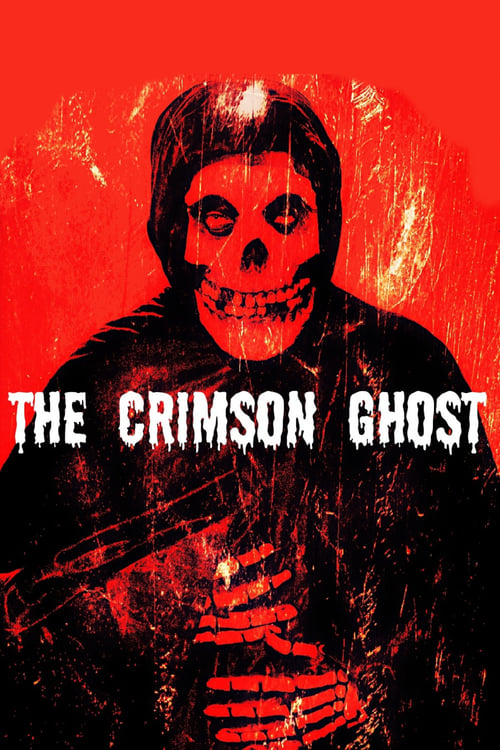
The Crimson Ghost
1946 · Republic Pictures · Dir. Fred C. Brannon
A criminal mastermind known as The Crimson Ghost is out to steal a device called the Cyclotrode, which can short-circuit all electrical current on the planet.
Confidence
95
— Legal Reasoning —
Why this status applies
The Crimson Ghost was a 12-chapter movie serial released by Republic Pictures in 1946. Under the Copyright Act of 1909, works from this era were granted an initial 28-year term of protection, which required a formal renewal during the 28th year to extend the copyright for a second term. For this film, the renewal window occurred in 1973–1974.
A search of the Stanford Copyright Renewal Database and the Library of Congress Catalog of Copyright Entries (CCE) reveals that Republic Pictures failed to file renewal registrations for The Crimson Ghost. While Republic was generally diligent in renewing its feature films, several of its serials and B-westerns entered the public domain due to administrative oversight. The film is widely cited in legal and film industry reference works, such as the 'Film Superlist: Motion Pictures in the U.S. Public Domain' by D. Richard Baer, as a confirmed public domain title.
Because the film was not renewed, it fell into the public domain in the United States upon the expiration of its first term in 1974. Note that while the film itself is public domain, the specific character design has been used as a logo by the band The Misfits since 1979, which involves separate trademark considerations, but the cinematic work remains PD.
Note: generated without live web grounding (the grounded research engine was unavailable). Verify the cited sources independently before relying on this determination.
— Cited Sources —
Supporting facts
- Stanford Copyright Renewal Database (checked for 1973-1974)
- Film Superlist: Motion Pictures in the U.S. Public Domain (1940-1949) by D. Richard Baer
- Library of Congress Catalog of Copyright Entries, Motion Pictures 1940-1949
- IMDb: The Crimson Ghost (1946)
Research summary based on cited sources, not legal advice. Always consult a qualified copyright attorney before commercial use.